Fencing Frenzy! How to Foil Your Dog’s Escape Plans!
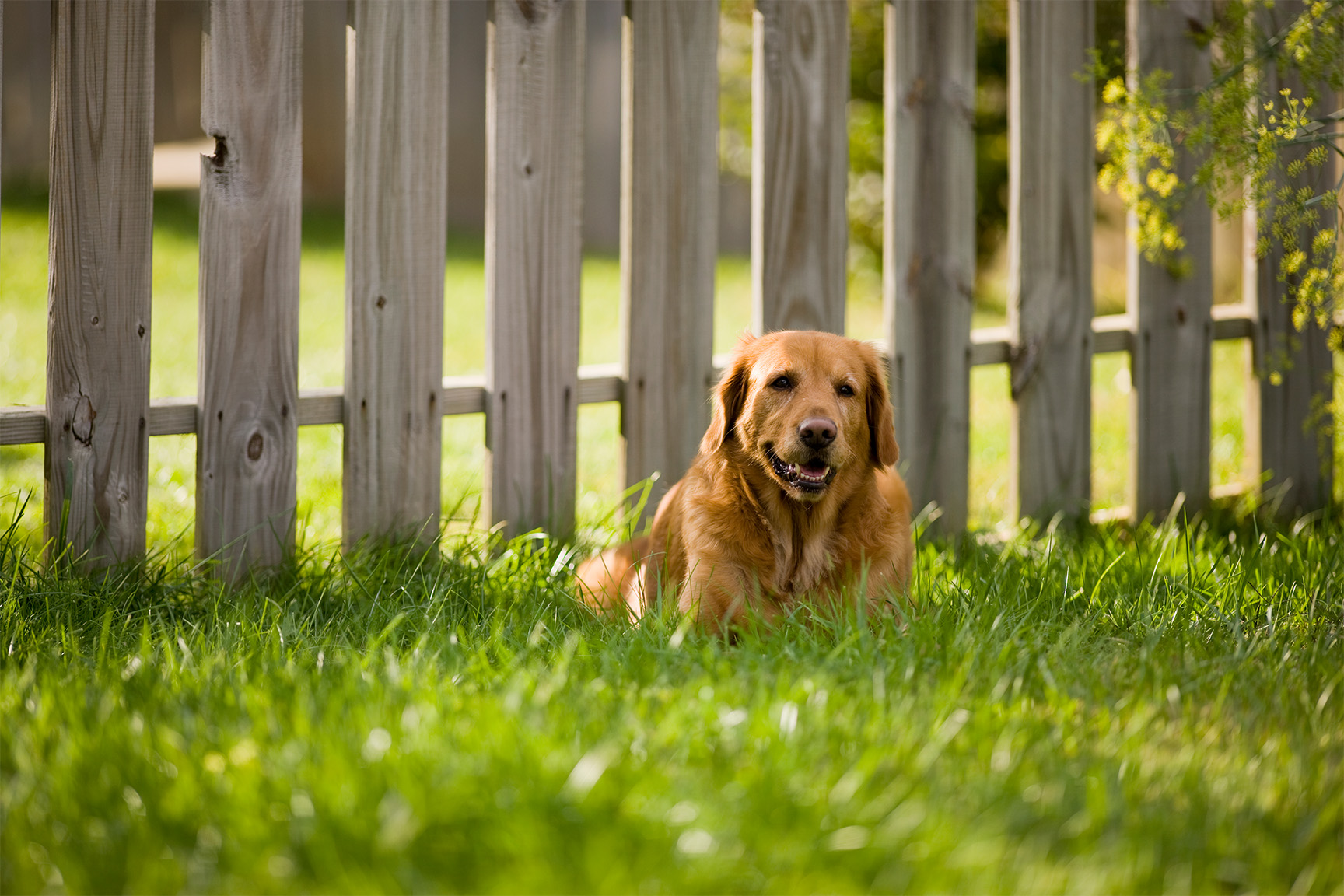
Choosing the best type of yard fence for a pet depends on several factors, including the type and size of the pet, the layout of your yard, and your budget. Here are some popular options and their benefits:
1. Wood Fences
- Pros: Durable and customizable; offers good privacy.
- Cons: Can be expensive and require maintenance; some pets might be able to dig under or climb over if not properly installed.
2. Chain Link Fences
- Pros: Affordable, durable, and easy to install; allows you to see through it, which can be good for supervision.
- Cons: Not very private and may not contain small or agile pets if the fence isn’t high enough.
3. Vinyl Fences
- Pros: Low maintenance, durable, and available in various styles; doesn’t rot or rust.
- Cons: Can be more expensive upfront; might not be as sturdy as wood in extreme weather conditions.
4. Metal Fences (Aluminum or Wrought Iron)
- Pros: Extremely durable and provides a classic look; can be quite secure.
- Cons: Can be costly and might require professional installation; some pets might be able to squeeze through or climb over.
5. Electric Fences
- Pros: Invisible and can be effective for training; doesn’t obstruct views.
- Cons: Requires proper training to ensure pets understand the boundaries; not suitable for all pets, especially those that might be frightened by the shock.
6. Invisible Fences
- Pros: Effective for keeping pets within a designated area without a physical barrier.
- Cons: Requires training and may not be suitable for all pets; doesn’t prevent other animals from entering your yard.
7. Privacy Fences
- Pros: Provides privacy and security; good for keeping pets from being distracted or frightened by passersby.
- Cons: Can be more expensive and may block views.
Additional Tips:
- Height: Ensure the fence is tall enough to prevent your pet from jumping over. For most dogs, a fence should be at least 4-6 feet high.
- Digging: For pets that dig, consider burying the fence or adding a barrier underground to prevent them from digging out.
- Double Barrier: If your pet is particularly persistent, a second inner fence set a few feet from the main fence can add an extra layer of security.
- Gates: Ensure gates are secure and latch properly to prevent escape.
- Reinforce Weak Points: Check the gates regularly for wear and tear and reinforce any weak spots.
- Check for Gaps: Regularly inspect the entire fence for gaps, loose boards, or any damage that could create escape routes.
- Repair Damages: Fix any issues immediately to prevent potential escapes.
- Training: Work on training your pets to stay within the boundaries. Reinforce positive behavior and discourage attempts to escape.
Each type of fence has its pros and cons, so the best choice depends on your pet’s behavior and your specific needs. Another factor to consider is making sure your dog gets plenty of attention and exercise and is not left in the yard unattended. Boredom can lead to destructive behavior. Imagine if you were a dog and were left alone in the yard. You’d have plenty of time to figure out a way out of the yard to seek some excitement. None of us want that. The most important consideration in choosing a fence, is choosing the type that will keep your pet safely contained.
If you have fencing questions, please visit some of our Pet Business Network members for advice and ideas.