ADVENTURES IN PET SITTING
Introduction
Pet sitting is more than just a job—it's a rewarding adventure that allows you to bond with animals and ensure their happiness while their owners are away. Whether you're a seasoned pro or just starting, understanding the nuances of pet sitting can transform your services from good to exceptional. In this guide, we'll explore tips and tricks for both at-home and away pet sitting, ensuring every furry friend feels right at home. From maintaining routines to making every pet's stay feel like a vacation, we've got you covered.
Pet Sitting at Your Home
Create a Welcoming Environment
When you board pets at your home, it's essential to create a space where they feel safe and comfortable. Start by designating specific areas for sleeping, eating, and playing. These zones help pets understand where they can relax and where they can be energetic without causing chaos.
Keep the environment calm and quiet, especially during the initial arrival. Loud noises and too much activity can overwhelm new pets.
Ensure your home is pet-proofed. Remove any hazardous items, secure cabinets, and ensure that electrical cords are out of reach. This minimizes the risk of accidents and keeps pets safe.
Maintain Their Routine
Pets are creatures of habit. Keeping them on their regular schedule helps reduce anxiety and makes them feel secure. Stick to their feeding times, walk schedules, and playtime routines as closely as possible.
Ask the pet owners for detailed information about their pet’s daily habits. Knowing when they usually eat, sleep, and play helps you maintain consistency, which is soothing for the pet.
Don’t forget about medications! If the pet requires any, administer them at the times specified by the owner.
Provide Plenty of Attention
Giving pets plenty of attention is crucial. Spend quality time with each pet, engaging in activities they enjoy. Whether it’s a game of fetch, a long walk, or simply cuddling on the couch, your attention helps them feel loved and secure.
Monitor their behavior closely. If you notice any signs of stress or discomfort, address them immediately. Sometimes, all it takes is a little extra affection or a favorite toy to calm a nervous pet.
Keep the Space Clean and Safe
Maintaining cleanliness is vital for the health and comfort of the pets in your care. Regularly clean their sleeping areas, food bowls, and litter boxes to ensure a hygienic environment.
Make sure the space is free of small objects that could be swallowed. Pets, especially dogs and cats, are curious and might ingest something harmful if it's left within reach.
Check for potential hazards daily. This includes ensuring that doors and gates are securely closed to prevent escapes and keeping toxic plants out of reach.
Pet Sitting at the Pet’s Home
Familiar Environment
When pet sitting at the pet’s home, your primary goal is to maintain their usual environment and routine. This familiarity helps reduce stress and makes the experience more enjoyable for the pet.
Recreate their normal living conditions as closely as possible. Use their regular food and water dishes, beds, and toys to provide comfort.
Respect the pet’s space. If they have a designated area where they feel safe, such as a crate or a specific room, ensure they can access it at all times.
Stick to Their Routine
Sticking to the pet’s routine is even more critical when you’re caring for them in their own home. Follow their feeding schedule, exercise routine, and any other habits they’re used to.
Communicate with the pet owner before they leave. Get a detailed list of the pet’s daily activities, including any specific needs or preferences.
Be punctual with your visits. Consistent timing helps the pet know what to expect and can significantly reduce anxiety.
Provide Comfort and Safety
Make sure the pet has access to cozy sleeping areas, fresh water, and their favorite toys. Little touches, like leaving a TV or radio on for background noise, can also help them feel less lonely.
Keep the home secure. Ensure all doors and windows are locked, and that the pet cannot access areas that might be dangerous, like the garage or basement.
Regularly check for any signs of discomfort or distress. If the pet seems off, contact the owner immediately to discuss any potential issues.
Making the Stay Pleasant
Stick to Their Routine
Consistency is key in pet care. Pets thrive on routine, so sticking to their normal schedule for meals, walks, and playtime is crucial.
Ask the owner for a detailed schedule before they leave. This should include feeding times, types of food, and portion sizes, as well as any medications.
Adhering to their routine helps the pet feel at ease and reduces the chances of stress-related behaviors, such as excessive barking or chewing.
Provide Comfort
Make sure the pet has a comfortable place to sleep. This could be their bed from home or a cozy spot you create for them. Include familiar items like blankets and toys to make them feel secure.
Monitor the temperature of their sleeping area. Pets can be sensitive to temperature changes, so ensure the space is neither too hot nor too cold.
Spend time bonding with the pet. Whether through grooming, playing, or simply sitting together, your presence can be incredibly comforting.
Offer Attention
Interaction is vital for a pet’s mental and emotional well-being. Engage in activities they enjoy, like playing fetch, tug-of-war, or going for walks.
Observe and learn the pet’s body language. Understanding when they want to play and when they need rest helps you provide the best care.
Keep an eye on their mood and behavior. If they seem anxious or depressed, increase your interactions or introduce new activities to lift their spirits.
Maintain Cleanliness and Safety
Regular cleaning of their living area is essential. This includes washing their bedding, cleaning food and water dishes, and picking up any waste promptly.
Inspect the space for hazards daily. Look for things like sharp objects, small items that could be swallowed, and toxic plants.
Ensure that the pet is always in a secure environment. This means closing gates, keeping doors shut, and supervising them when they’re outside.
Making It Like a Vacation
Provide Stimulation
Just like humans, pets enjoy new experiences. Introduce them to new toys, games, and activities to keep them stimulated and engaged.
Change up their routine slightly to make things interesting. This could be a new walking route or a different type of play.
Offer a variety of toys. Rotate them regularly to keep the pet interested and excited.
Offer Affection
Build a bond with the pet by showing affection. Gentle petting, brushing, and talking to them can make them feel loved and secure.
Understand the pet’s personality. Some pets may prefer quiet time, while others crave more interactive play.
Respond to their cues. If a pet nuzzles you or brings you a toy, it’s a clear sign they want some attention.
Keep It Fun
Make their stay enjoyable by incorporating fun activities. This could be a trip to the park, a playdate with other pets (with the owner’s permission), or a fun training session.
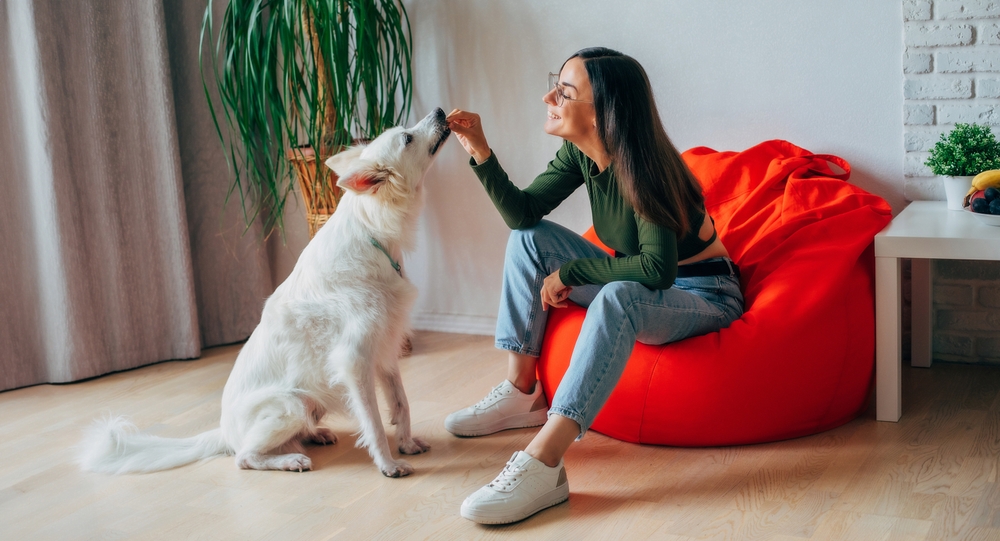
Celebrate small milestones. Reward the pet with treats for good behavior, which also reinforces training.
Document their adventures. Taking photos or videos can be a great way to show the owner how much fun their pet is having.
Conclusion
Pet sitting is a fulfilling adventure that requires attention to detail, empathy, and a genuine love for animals. By creating a welcoming environment, maintaining routines, and providing plenty of attention and stimulation, you can ensure every pet feels happy and secure while their owners are away. Remember, your goal is to make their stay feel like a vacation, full of comfort, care, and fun.
Are you ready to take your pet sitting to the next level? Connect with our community of professional pet sitters and share your experiences, tips, and tricks. Let's make every pet's stay unforgettable!