Boosting Efficiency: Importance of Pet Business Listing Categories Explained

"In the pet business world, categories are the GPS, guiding you through the maze of options with a cheeky grin."
In a world where pet ownership is more than just a trend—it's a lifestyle—businesses in the pet industry are on a quest for innovative solutions that not only boost efficiency but also elevate the customer experience. As the market continues to flourish, the need for clarity and organization becomes paramount. The power of well-defined pet listing categories is paramount in this context, as they offer the essential structure and clarity required to navigate the complexities of the pet industry, enabling businesses to efficiently connect with their target audience, streamline operations, and enhance customer satisfaction in an increasingly competitive marketplace.
By strategically organizing services and products into specific categories—such as art, media, or publications; legal, financial, insurance; other pet services; pet-friendly businesses/housing/accommodation; pet health and wellness; and animal shelters/rescues/non-profit—businesses can streamline their operations and create a more intuitive shopping experience for pet owners. This thoughtful categorization not only enhances operational efficiency but also fosters customer satisfaction, making it easier for pet lovers to find precisely what they need.
The latest blog from Pet Business Network, "Boosting Efficiency: Importance of Pet Business Listing Categories Explained," dives into the transformative impact of categorization in the pet industry. Let’s explore how these categories can serve as a roadmap for businesses aiming to thrive in a competitive landscape.
The Importance of Categorization in the Pet Industry
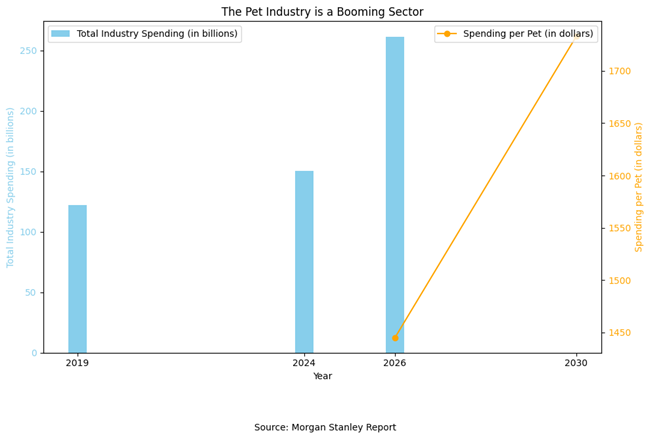
The pet industry is a booming sector, with a report from Morgan Stanley indicating that the household expenditures on pets are expected to rise to $1,445 per pet by 2026 and $1,733 by 2030, leading to a 113% growth in overall industry spending, which will reach $261 billion by 2030, up from $122 billion in 2019. Annual pet-related spending per household will hit $1,445 by 2026 and $1,733 by 2030. This indicates a significant 113% increase in total industry expenditure, projected to reach $261 billion by 2030, compared to $122 billion in 2019.
This was approximately $150.6 billion in 2024. The breakdown of spending includes $64.4 billion on pet food and treats, $32 billion on supplies and live animals, and $38.3 billion on veterinary care and products.
Understanding the Categories
In the dynamic pet industry, categorization is not merely an organizational tool; it is a strategic imperative that can significantly enhance business efficiency and customer engagement. Below, we delve into each category and explore how well-structured pet business category listings can empower businesses to thrive.
1.
According to an American Veterinary Medical Association study, 85% of dog owners and 76% of cat owners consider their pets family members.
This highlights a strong sentiment among pet owners regarding their pets' roles in their households, emphasizing the demand for high-quality pet-related content and services. By leveraging dedicated listings, businesses can enhance visibility and connect with passionate pet owners seeking unique artistic expressions.
By leveraging a dedicated listing on the Pet Business Network (PBN), businesses can enhance visibility and connect with passionate pet owners seeking unique artistic expressions, ultimately fostering a loyal customer base.
2. Legal, Financial, Insurance
Many pet owners find it crucial to navigate the legal and financial complexities of pet ownership. This category includes services that assist with pet trusts, insurance policies, and financial planning for pet care.
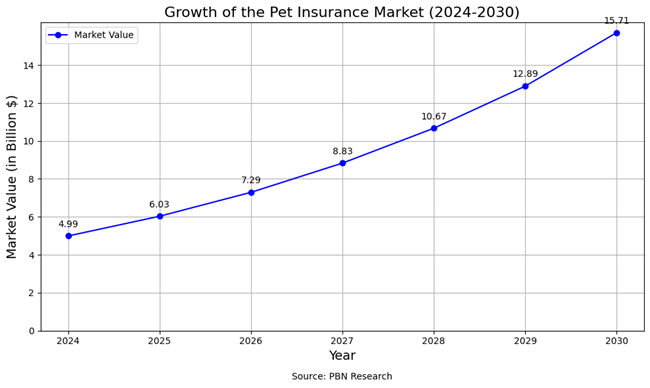
According to Grand View Research, the pet insurance market was valued at $4.99 billion in 2024 and is projected to grow at a compound annual growth rate (CAGR) of 20.98% from 2025 to 2030, reaching approximately $15.71 billion by 2030.
This growth is driven by increasing awareness of the importance of pet insurance, rising veterinary costs, and a growing number of underwritten policies. Furthermore, the North American Pet Health Insurance Association reported that the gross written premium (GWP) for pet insurance increased by more than 35% from 2019 to 2023, indicating a strong trend toward financial preparedness among pet owners.
A comprehensive category listing on PBN can help businesses in this sector establish credibility and attract clients who are actively seeking guidance in these critical areas, positioning them as trusted advisors in the pet ownership journey.
The pet boarding market was valued at approximately $9.6 billion in 2024 and is projected to grow to $23.3 billion by 2035, reflecting a compound annual growth rate (CAGR) of around 8.4% from 2025 to 2035. The global pet grooming services market was valued at $6.89 billion in 2024, with expectations to reach $10.35 billion by 2030, growing at a CAGR of 7.33% during this period.
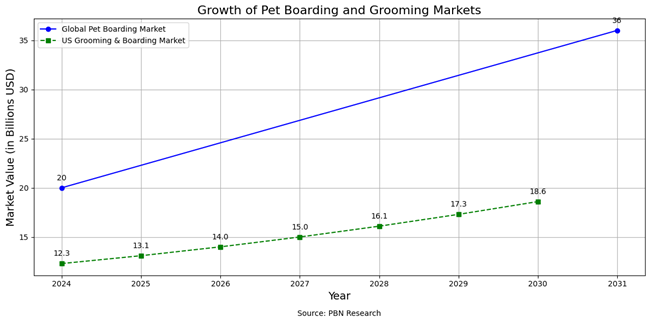
Businesses can optimize their marketing strategies and operational workflows by categorizing these services effectively.
The global pet healthcare market is projected to grow from $67.03 billion in 2024 to $73.10 billion by 2025, with an expected compound annual growth rate (CAGR) of 9.06% from 2025 to 2034. By categorizing these services, businesses can ensure pet owners have seamless access to the resources they need to maintain their pets' health.
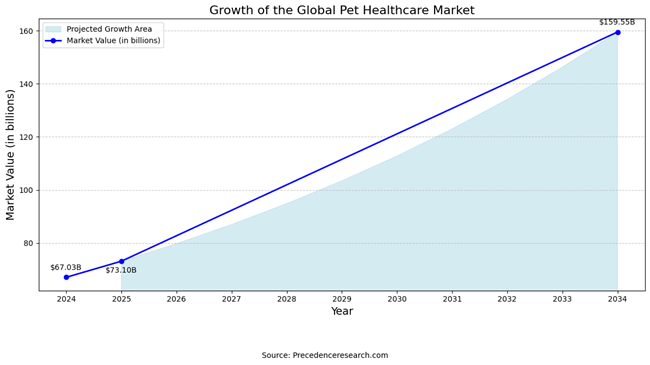
A well-defined listing on PBN can enhance visibility and foster trust among pet owners seeking reliable health and wellness solutions, ultimately driving more clients to their services.
6.
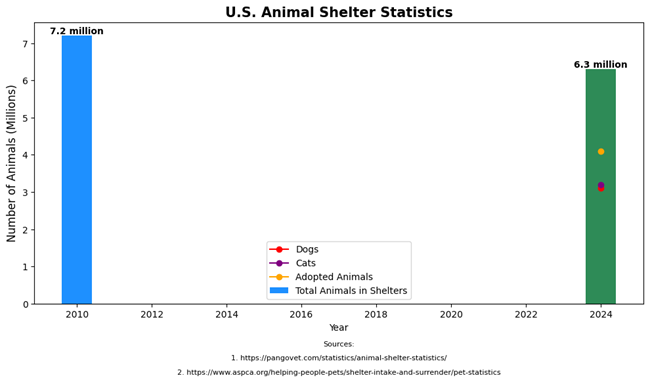
By categorizing these organizations, businesses can promote adoption and support for local shelters, fostering a sense of community and responsibility among pet owners.
A dedicated listing on PBN can help shelters and rescues gain visibility, attract potential adopters, and encourage donations, ultimately contributing to the welfare of animals in need.
By being part of the Pet Business Network, these organizations can also connect with businesses and individuals who are passionate about animal welfare, creating a collaborative environment that benefits both the animals and the community.
Enhancing Business Efficiency Through Categorization
Streamlined Operations
One primary benefit of categorizing pet-related services is the ability to streamline operations. By organizing services into specific categories, businesses can more easily manage their offerings, track performance, and identify areas for improvement.
Targeted Marketing
Categorization also enables businesses to implement targeted marketing strategies. By understanding the specific needs and preferences of different customer segments, companies can tailor their marketing efforts to resonate with their target audience.
Improved Customer Experience
In today’s fast-paced world, customers expect convenience and efficiency. By categorizing services, businesses can enhance customer experience by making it easier for pet owners to find the services they need. A well-organized website or directory that clearly outlines different categories can significantly reduce the time and effort required for customers to locate relevant services.
Data-Driven Decision Making
Data-driven decision-making is crucial for businesses aiming to thrive in the competitive pet industry. Analyzing data related to each category allows businesses to gain insight into customer preferences, market trends, and operational performance. For instance, tracking the popularity of specific services within the pet health and wellness category can help businesses adjust their offerings to meet demand. Most modern pet owners are willing to spend more on premium products and services, indicating a lucrative opportunity for businesses that can effectively cater to this market segment.
The Role of Technology in Categorization
Online Platforms and Marketplaces
The rise of online platforms and marketplaces has revolutionized how pet-related businesses operate. These platforms allow companies to list their services under specific categories, making it easier for customers to find what they need. For example, platforms like Rover and Wag! categorize pet services such as dog walking, pet sitting, and grooming, enabling pet owners to locate and book services quickly.
According to Grand View Research, the global pet services market is projected to grow at a compound annual growth rate (CAGR) of 9.21% from 2023 to 2030, reaching an estimated value of $33.27 billion by 2030.
This growth underscores the increasing importance of digital platforms and effective categorization in the pet services industry as consumers increasingly seek online solutions for their pet care needs.
Mobile Applications
Mobile applications have also become a vital tool for pet businesses. Apps that categorize services and provide easy access to information can significantly enhance customer engagement. For instance, apps that allow pet owners to book veterinary appointments, find pet-friendly accommodations or access pet training resources can streamline the user experience.
The global pet care apps market is projected to grow significantly, reaching approximately $6.47 billion by 2030, with a compound annual growth rate (CAGR) of 18.14% from 2023 to 2030.
This growth is fueled by the increasing adoption of smartphones and the rising demand for convenient pet-related services and applications.
Future Trends in Pet Listing Categories
As the pet industry continues to evolve, several trends are likely to shape the future of pet listing categories:
•
•
•
•
Conclusion
If you are a pet business looking to elevate your visibility and connect with a broader audience, consider joining the Pet Business Network (PBN). Our platform offers a comprehensive category listing to help you effectively reach your target market.
Elevate your pet industry presence by joining the Pet Business Network (PBN), a dynamic hub for pet industry professionals. As a member, you'll gain exclusive access to cutting-edge insights, comprehensive business listings, and invaluable networking opportunities with sector leaders. Enjoy member-only discounts and leverage powerful marketing tools to amplify your brand's reach. By becoming part of our community, you're not just investing in your business growth but contributing to animal welfare initiatives through our charitable giving program.
Join PBN today and become a driving force in shaping the future of the pet industry while making a meaningful difference in animals' lives.