Canine Olfactory Sensitivity to Human Stress: Implications for Behavior and Welfare

"Dogs don’t just smell the roses—they sniff out our worries, proving once again that a problem shared is a problem halved... even if it’s through scent."
Dogs possess an extraordinary ability to detect subtle changes in human physiological states through scent, including stress, and this sensory input profoundly influences their decision-making and emotional well-being. A groundbreaking 2024 study by the University of Bristol revealed that dogs exposed to human stress odors exhibit "pessimistic" behaviors, such as hesitancy to approach ambiguous food sources, suggesting emotional contagion between species. These findings, published in Scientific Reports, underscore the bidirectional nature of human-dog relationships and offer critical insights for pet care professionals.
The Science of Stress Detection
Dogs detect stress through volatile organic compounds (VOCs) in human breath and sweat, which shift during stressful episodes. In controlled trials, researchers exposed 18 dogs to odor samples from humans who had undergone stress-inducing tasks (e.g., public speaking, complex math problems) versus relaxed states. Key results include:
• 72% of dogs hesitated to approach food bowls when exposed to stress odors, compared to 28% with relaxed odors.
• Cortisol levels in stressed humans correlated strongly with canine behavioral changes, indicating dogs’ acute sensitivity to biochemical signals.
• Dogs displayed risk-averse decision-making, avoiding uncertain rewards—a behavior linked to negative emotional states.
Cross-Species Emotional Contagion
This phenomenon aligns with earlier research demonstrating dogs’ ability to infer human emotional states. A 2021 Animal Cognition study involving 90 dogs found that 80% preferentially approached humans displaying positive emotions, avoiding those with negative expressions. Such studies highlight dogs’ evolutionary adaptation to interpret emotional cues, likely honed through millennia of cohabitation.

Broader Implications for Animal Welfare
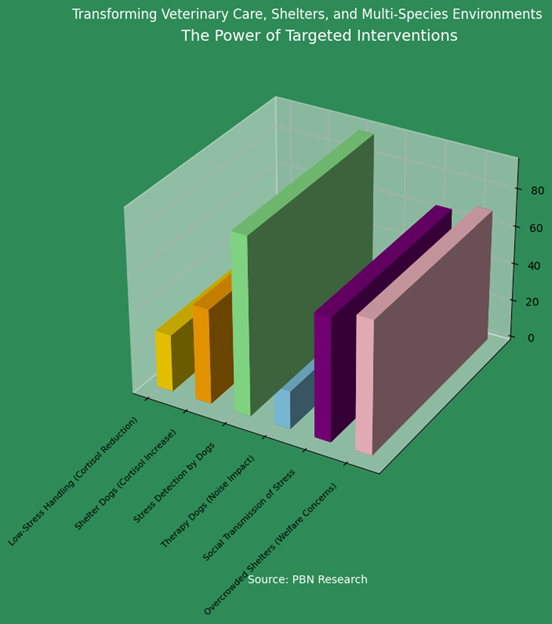
• Shelters: Chronic exposure to stress signals from staff or visitors could exacerbate anxiety in kenneled dogs. Research at Kennesaw State University found shelter dogs exposed to calming lavender scents showed a 40% reduction in pacing and vocalizing, while stress-inducing environments correlated with 28% longer adoption wait times due to withdrawn behaviors.
• Multi-species households: Stress transmission between pets and humans may create bidirectional feedback loops. A 2023 analysis revealed that 65% of dogs in high-stress households exhibited elevated cortisol levels, mirroring their owners’ physiological stress markers. Conversely, positive interactions boosted oxytocin by 45% in both species, highlighting the dual role of scent in shared emotional ecosystems.
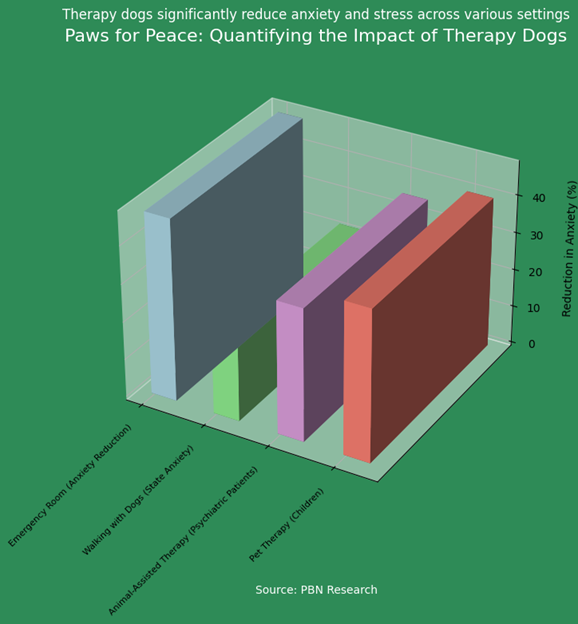
2. Quantitative Reduction: Research generally supports the notion that therapy dogs lead to significant decreases in anxiety levels. For example, one study found that patients who walked with a dog experienced lower state anxiety levels than those who walked without a dog.
3. Therapeutic Effects: Animal-assisted therapy (AAT) has been shown to reduce anxiety in patients with various psychiatric diagnoses, including mood disorders and psychotic disorders. A study on children also found a significant decrease in state anxiety scores after pet therapy.
2. Balanced Welfare Protocols: It is crucial to implement balanced welfare protocols to protect both humans and animals involved in therapy settings. This includes monitoring the stress levels of therapy dogs and ensuring they receive adequate rest and care.
2. Retail environments: Pet stores and grooming salons can use calming pheromones to counterbalance human stress cues.
3. Veterinary care: Recognize stress odor impacts during exams; pre-appointment calming aids may improve compliance.
Conclusion
Understanding dogs’ olfactory detection of human stress revolutionizes approaches to canine welfare and training. By acknowledging scent as a critical communication channel, pet businesses can enhance animal welfare standards, improve training outcomes, and foster healthier human-dog partnerships.
Join Pet Business Network: Let's Grow Together and Elevate with Purpose
Explore the membership options from Pet Business Network to become part of a legacy that augments the visibility of pet businesses by equipping them with comprehensive business listing services—one connection, one contribution, one breakthrough at a time. Join the PBN community and help us cultivate an industry where compassion and commerce thrive harmoniously.
At PBN, we champion the belief that collective success sparks transformative change. Our vision? To forge a pet industry united by innovation, empathy, and shared purpose—a world where every business flourishes and animals receive unparalleled care. With an unwavering commitment to animal welfare and an ongoing pursuit of championing responsible pet ownership, we’ve contributed $2,200 to pet lifesaving initiatives as we just set sail towards making our grandiose vision a reality.
Here's your chance to connect with passionate pet businesses, engage a devoted audience, and fuel meaningful change through every membership. As a garden thrives with nurturing hands, your business can blossom with PBN's resources and advocacy. Let's sow seeds of excellence and harvest a future where every animal thrives.