Navigating the Transition: When to Switch Your Puppy to Adult Dog Food?
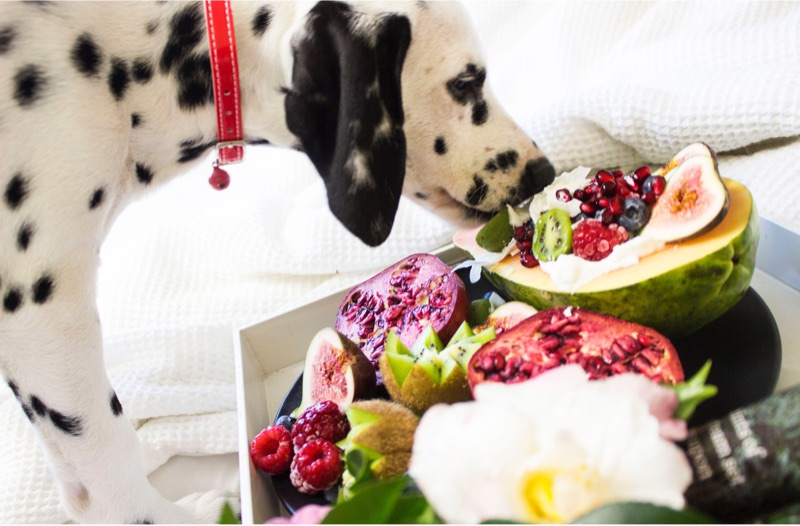
"Don’t let your pup’s plate be a puppy food party forever — time to graduate to adult cuisine!"
As your furry friend grows from a playful puppy to a curious canine, one important question arises: when should you switch from puppy food to adult dog food? Puppies have unique nutritional needs to support their rapid growth and development, but this changes as they mature. While many consider dogs adults at one year of age, the right time to make the switch depends more on breed size than age. Ensuring your pet receives proper nutrition at each stage of their life is crucial for their overall health and well-being. In the write-up, "Navigating the Transition: When to Switch Your Puppy to Adult Dog Food?" by Pet Business Network, let’s unravel some pertinent pieces of information to help you make informed decisions about your pup's dietary needs, ensuring they remain happy and healthy throughout their lives.
How Puppy Food Differs from Adult Dog Food
Puppies need food that's rich in protein, calories, and essential nutrients to support their accelerated growth, energy levels, and developing bodies. Puppy food is typically higher in calcium, sodium, and potassium to support skeletal growth, and it's often formulated with smaller kibbles or softer textures to accommodate their delicate teeth. Additionally, puppy food is designed with easily digestible ingredients to meet the needs of a developing digestive system.
As puppies mature, their energy levels decrease, and their growth slows down. At this point, they no longer need the rich formulas found in puppy food. If adult dogs continue to eat puppy food, they risk obesity and may suffer from growth-related issues such as hip or elbow dysplasia. Recognizing when it's time to transition to adult food is important for your dog's long-term health.
Puppy food also contains higher levels of protein (22-32%) compared to adult food, which typically contains 18%. This protein difference is essential for supporting a puppy's growth and development.
When to Switch to Adult Dog Food
The ideal time to switch from puppy food to adult food depends on your dog's breed and size. While there is no one-size-fits-all answer, you can follow general guidelines based on your dog's growth rate. Puppies should switch to adult food once they’ve reached 78-85% of their adult size, which usually corresponds to a decrease in growth rate. However, maturity varies by breed: smaller breeds tend to mature faster than larger breeds.
Table 1: Transitioning from Puppy to Adult Dog Food: Guidelines by Breed Size
| Breed Size | Weight | Recommended Time to Switch to Adult Food | Fact Source |
| Small Breeds | 4-20 pounds | 6-12 months | 1 |
|
|
| American Kennel Club (AKC) |
| Medium Breeds | 20-50 pounds | 12-18 months | 2 |
|
|
| PetMD |
| Large Breeds | 50-80 pounds | 18-24 months | 3 |
|
|
| VCA Animal Hospitals |
| Giant Breeds | 80+ pounds | 24-36 months | 4 |
|
|
| The Spruce Pets |
In addition to breed size, your dog’s activity level should be considered. More active dogs may benefit from staying on puppy food longer, while less active dogs may be ready for adult food sooner. Also, watch for signs of dissatisfaction with puppy food, such as eating less or rejecting meals, which may indicate they’re ready for a change.
How to Switch Your Dog’s Diet
When it's time to switch, do so gradually to avoid digestive issues like diarrhea or vomiting. A sudden change can be harsh on your dog’s system. Start by mixing 75% puppy food with 25% adult food. After a few days, adjust the ratio to 50/50, then 25% puppy food to 75% adult food. If your dog adapts well, you can eliminate puppy food entirely after 7-14 days.
Understanding Rotational Feeding for Dogs
Some pet owners practice rotational feeding, which involves regularly changing their dog’s diet to avoid nutrient deficiencies and contamination. This method is effective when the food is high quality and nutritionally balanced. However, if your dog struggles with an upset stomach, rotational feeding may not be appropriate.
Tips for a Healthy and Balanced Diet
Planning a healthy diet for your pet can be challenging with the many food options available. Here are some tips to help you choose the right food:
- Choose high-quality brands: Invest in reputable brands that use high-quality ingredients, as low-quality foods may harm your pet’s health.
- Consider your dog’s life stage: Different life stages (puppy, adult, senior) require different nutritional needs. Always choose food tailored to your dog’s current stage of development.
- Consult your vet: Before making any significant changes to your pet’s diet, consult with your veterinarian to ensure you’re meeting your dog’s unique nutritional needs.
Implementing Dietary Changes
When making dietary changes, do so slowly and monitor your pet’s health. Here are some tips:
- Serve healthier treats: Opt for healthier alternatives like frozen fruits instead of sugary, store-bought treats.
- Avoid table scraps: Human food can be harmful to pets due to its high sugar and fat content. Stick to pet-specific treats to avoid health issues.
- Measure portions: Overfeeding can lead to obesity. Use a measuring cup to ensure you’re giving your dog the right amount of food per meal, based on your vet's guidance.
Conclusion
We hope this guide helps you understand how to transition your puppy to adult dog food at the right time for their health and well-being. By observing your dog’s growth and following the appropriate guidelines for their breed and activity level, you can ensure a smooth and healthy dietary change.
At Pet Business Network (PBN), we're committed to supporting pet businesses, connecting them with the right people, resources, and services, and ensuring the health and happiness of pets everywhere. As a member, you’ll have access to a wide network of pet-related businesses, exclusive discounts, and up-to-date information on pet care trends. By supporting businesses that care for pets, we can make a positive impact on animals' lives everywhere.
As a member of PBN, you will enjoy:
- Exclusive Discounts and Promotions: Take advantage of member-to-member discounts tailored to your membership level, helping you save while you grow your business.
- Networking Opportunities: Connect with other pet-focused businesses to share insights, collaborate, and expand your reach within the industry.
- Latest Trends and Innovations: Stay informed about the newest developments in pet care, ensuring your business remains competitive and relevant.
- Promotional Platform: Utilize our platform to showcase and grow your pet-related business, reaching a wider audience of pet owners.
Additionally, a portion of every membership fee is donated to animal welfare initiatives. By supporting the businesses that care for pets, we can collectively make a meaningful impact on the lives of animals everywhere.
Frequently Asked Questions
Can I suddenly switch my puppy to adult dog food?
No, a gradual transition over 7-10 days is recommended to avoid digestive upset.
My puppy doesn’t seem to like adult food, what should I do?
Try different brands or flavors. If the issue persists, consult your vet for advice.
What’s a good brand of adult dog food?
Quality of ingredients is more important than brand. Look for brands that use animal protein as the first ingredient and without artificial colors, preservatives, or flavors.
What percentage of U.S. dog owners are aware of proper food transitions?
According to a 2023 Pet Food Association of America (PFAA) survey
- 65% of U.S. dog owners understand the importance of transitioning food gradually.
- 45% of puppy owners consult their vet and got guidance.
- Many owners switch food suddenly, causing digestive issues.
How do I choose the right adult dog food?
Look for foods that meet AAFCO standards, with meat or fish as the primary ingredient. Consider your dog's age and breed-specific needs.