Tag, You’re It! The Tag Team You Need to Keep Your Furry Friends FOUND!
The primary purpose of a pet ID is to help reunite lost pets with their owners No matter how careful we are to make sure our pets are safe and secure; the reality is that pets can sometimes wander off or get lost. The world is full of distractions and busy streets, and it is up to us to ensure our pets have reliable forms of identification to keep them safe. Many a pet owner has stated “My pet won’t get lost because they are always home”. Accidents happen. Pets can escape during storms or when startled by fireworks, and you may not be able to find them.
Collar tags are the most common form of pet ID. They are a simple and effective way for anyone that finds your pet to contact you immediately without having to go to a vet or shelter to scan for a microchip. They typically include the pet's name, your phone number, and sometimes your address. Consider adding your vet’s number on the tag as well. The tag should be durable, easy to read, and securely attached to your pet’s collar, but even with that, ID tags can fall off or be removed. This is especially true for cats with their quick release collars. Relying solely on a collar is risky, making microchipping an essential complement to just having a collar tag.
A microchip is implanted under your pet's skin in a quick and simple procedure at your vet’s office. It is a small device that contains a unique identification number. If your pet is found, a vet or animal shelter can scan the chip to retrieve your contact information. Microchips are a permanent solution, and unlike collars, they can’t be lost or removed. Studies show that microchipped pets are significantly more likely to be returned to their owners compared to those without microchips. While microchips provide permanent identification, they do not function as GPS trackers.
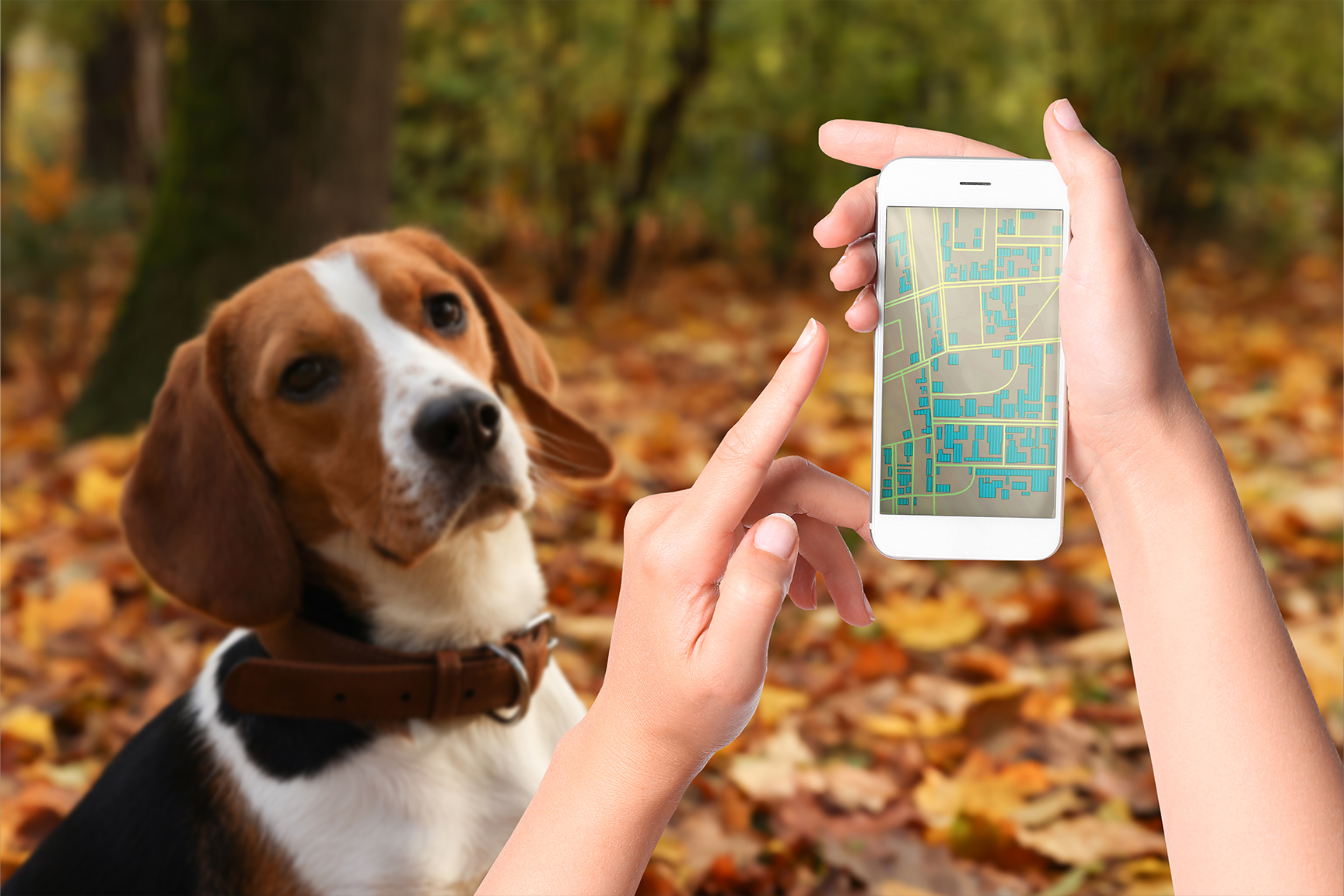
GPS trackers can be a game-changer for the tech-savvy pet owner. These devices allow you to track your pet's location in real-time using your cell phone. One thing to keep in mind, these devices are usually attached to your pet’s collar, which leaves the possibility of it being lost or removed. It is wise to also have your pet microchipped as microchipping is the only permanent solution.
QR Code Tags are modern tags that include a QR code that can be scanned with a smartphone. Unlike the microchip where you need to take the pet to a shelter or vet office to scan, these QR Code tags make it easy for anyone who finds your pet to contact you. When scanned, it leads to a profile with your pet’s information. Many county animal shelters use this type of tag.
Knowing that your pet has identification can alleviate some of the stress and anxiety that comes with the possibility of them getting lost. It is important to keep your pet’s ID information current. If you move or change phone numbers, make sure to update the collar tags and microchip registration. Besides your contact details, consider adding any medical information, like allergies or medications, that could help in an emergency. Check your pet’s collar regularly for signs of wear and tear.
Whether you opt for traditional collar tags, a microchip, QR Code tags, a GPS tracker, or all of the above, investing in a good pet ID can mean the difference between a stressful situation and a happy reunion. The more ID on your pet, the better chance of them being returned to you. Remember, your furry friend is counting on you to keep them safe—let’s make sure they’re always just a tag away from home!
Do you need a new collar and ID for your pet? Visit some of our Pet Business Network members including pet suppliers and veterinarians to see what they have to offer.