Is Your Dog A Support Animal or Sidekick? A Service Animal or Snuggle Bug? Understanding the Differences
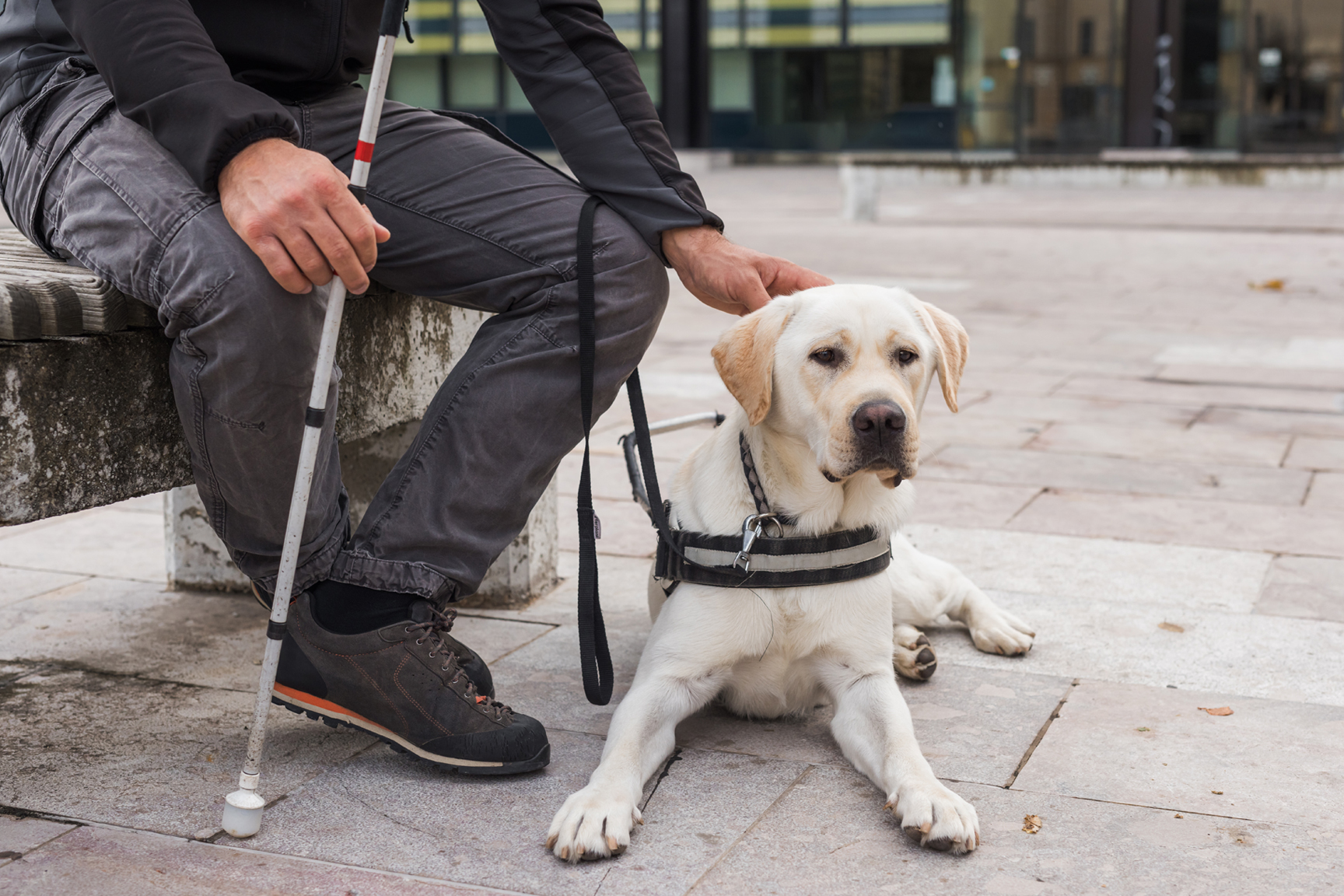
Although the terms Service Dogs, Emotional Support Dogs, and Therapy Dogs are often used interchangeably, there are distinct differences when it comes to their roles and their rights. While all three types of assistance dogs play valuable roles in supporting individuals, their training, legal rights, and functions differ. If you are considering getting or seeking support from an assistance dog, it is important to know the differences to ensure that you and the dog are well-prepared and appropriately supported.
Service Animals go through extensive and specific training to perform specific tasks for individuals with disabilities. These tasks are directly related to the person’s disability and are intended to assist with their daily activities such as:
- Guide Dogs that assist visually impaired or blind individuals by providing guidance and help navigate obstacles.
- Hearing Dogs alert hard of hearing or deaf individuals to important sounds such as doorbells, alarms, or crying babies.
- Medical Alert Dogs can detect and alert the individual to medical conditions such as seizures, diabetes, or low blood sugar and seek help for them.
- Mobility Assistance Dogs help individuals with mobility issues by retrieving items, opening doors, or providing physical support.
Under the Americans with Disabilities Act (ADA) in the U.S., service dogs have access to public places, including restaurants, hotels, and transportation. Service dogs are trained to behave appropriately in public and must always be under the control of their handler. Handlers usually discourage anyone from petting their service dog as the dog is working and cannot be distracted.
Therapy Dogs are trained to provide comfort and emotional support to people in various settings such as hospitals, nursing homes, schools, courts, and disaster areas. They are not specifically trained to perform tasks related to a disability, but their presence in therapeutic settings has been shown to help reduce stress and aid individuals with mental health issues, physical therapy, and rehabilitation.
Therapy dogs do not have the same public access rights as service dogs. Their access is usually limited to specific facilities where they are invited to provide support. They must be accompanied by their handler and are usually recognized through a therapy dog organization and have certifications on general training and socialization through those organizations.
Emotional Support Dogs provide comfort and emotional stability to individuals with mental health conditions such as anxiety, depression, or PTSD. Unlike service dogs, they do not require specialized training to perform specific tasks but are recognized for their ability to provide emotional comfort. Their companionship and affection have also been known to alleviate feelings of loneliness and provide a calming effect in stressful situations.
Under the Fair Housing Act. (FHA) in the U.S., emotional support dogs are allowed to live with their owners in housing that may otherwise have pet restrictions. Unlike service dogs, emotional support dogs do not have public access rights under the ADA, so they cannot accompany their owners into businesses or other public places unless the establishment has specific policies allowing them. Emotional support dogs do not require any specialized training, but the owners may need to provide documentation from a mental health professional to qualify for accommodations.
Are you looking for a service dog or to train your dog to be a therapy dog? Are you having an issue with a landlord regarding your emotional support dog? Visit our Pet Business Network members for guidance and advice.