Canine Ear Hematomas: Causes, Risks, and Effective Treatments for Your Dog

"A stitch in time saves canine ears divine; don't let hematomas lead your pooch down a painful primrose path. When your furry friend's ear becomes a painful water balloon, understanding 'Canine Ear Hematomas: Causes, Risks, and Effective Treatments for Your Dog' becomes your golden ticket to preventing permanent 'cauliflower ear' deformity and keeping those adorable floppy ears picture-perfect for years to come!"
Canine ear hematomas, also known as aural hematomas, are a common and painful condition, especially in dogs with "drop" ears. If not treated promptly, they can result in permanent ear deformity. Understanding the causes, risk factors, and treatment options for canine ear hematomas is crucial for every dog owner who wants to safeguard their pet's health and comfort.
What Is Canine Ear Hematoma?
A canine ear hematoma is a swelling caused by broken blood vessels in the ear flap (pinna), leading to blood pooling between the skin and cartilage. This creates a balloon-like, often warm and tender swelling that can cause significant discomfort for your dog. If left untreated, the pressure from the trapped blood may eventually stop the bleeding, but the swelling and risk of permanent ear damage remain high.
How Common Are Ear Hematomas in Dogs?
Ear hematomas are a recognized concern in the United States, particularly among medium to large breeds and dogs with pendulous (drooping) ears. While there is limited large-scale incidence data explicitly published for the U.S.,
clinical studies and veterinary reports indicate that ear hematomas are seen most frequently in:
- Medium- to large-breed dogs
- Dogs with pendulous ears (80% to 88% of cases)
- Middle-aged to older dogs (over 4 years, representing 86% to 93% of cases)
Breed-specific data from U.S. clinical case series show that Golden Retrievers and Labrador Retrievers are among the breeds at highest risk for developing aural hematomas. Additionally, about 31% of dogs in one study experienced multiple hematomas or developed new hematomas over time, with recurrence, which is especially likely in dogs with underlying allergic dermatitis.
While precise annual incidence rates for the general U.S. dog population are not widely published, these findings align with veterinary observations that ear hematomas are a common clinical problem, especially in predisposed breeds and age groups.
Why Do Ear Hematomas Develop?
The primary cause of ear hematomas is trauma, often from vigorous scratching or head-shaking due to underlying ear problems. Common triggers include:
- Ear infections (otitis externa or media)
- Parasites such as fleas and ear mites
- Allergies cause itchy skin
- Yeast infections, especially in dogs that swim
- Physical trauma from head shaking or injury
Studies show that about 37% of cases are linked to ectoparasites, 30% to ear infections, and 22% to dermatitis, with trauma accounting for the rest. Notably, up to 64% of dogs with hematomas may not have concurrent otitis externa, highlighting the importance of investigating all possible causes.
Recognizing the Signs
Symptoms of an ear hematoma include:
- Swelling of the ear flap, which may be warm and discolored
- Pain or sensitivity when touching the ear
- Head tilting or frequent shaking
- Crying or pawing at the affected ear
- In severe cases, the ear may fold or droop due to the weight of the swelling
Breed and Age Risk Factors
Breed and ear shape play a significant role. Dogs with folded or drooped ears are more prone to hematomas due to their ear anatomy and the tendency for moisture and infection.
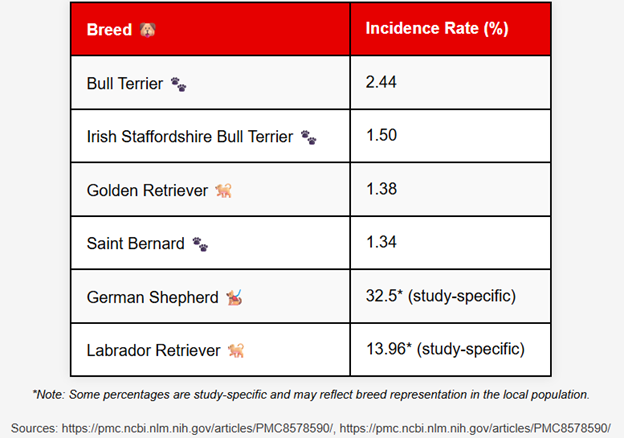
Breeds with the Highest Reported Incidence
Treatment Options
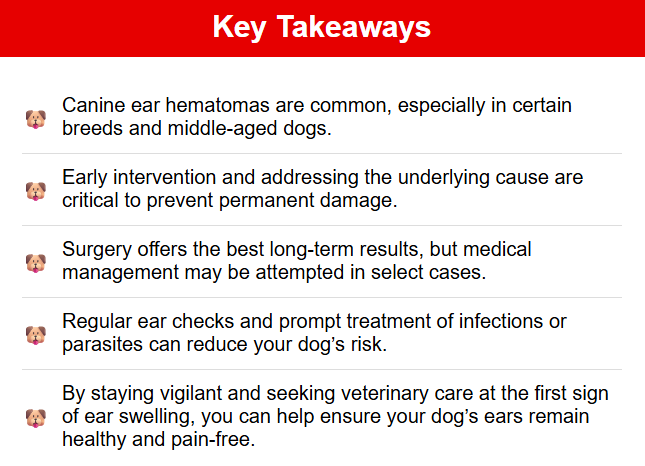
While not immediately life-threatening, ear hematomas require timely intervention to prevent permanent ear deformity, commonly known as "cauliflower ear." Treatment options include:
- Medical Management: Draining the hematoma and applying pressure bandages. This method has a higher recurrence rate, especially if the underlying cause isn’t addressed.
- Surgical Correction: Considered the gold standard, surgery involves making an incision to drain the blood and suturing the ear to prevent re-accumulation. This approach boasts a high success rate, with most dogs recovering fully and with minimal recurrence.
- Addressing Underlying Causes: Treating infections, parasites, or allergies is essential to prevent recurrence in the same or opposite ear.
Also Read: Belly Bands and Marking: A Temporary Fix or Long-Term Problem? Insights from Pet Experts
Prognosis and Prevention
With prompt and appropriate treatment, most dogs recover well, and their ears return to near-normal appearance. However, untreated hematomas can lead to permanent deformity and an increased risk of future ear problems due to narrowing of the ear canal.
Conclusion: Empowering Pet Parents with the Right Connections
Navigating your dog's health challenges, like canine ear hematomas, can be overwhelming, especially when timely intervention is crucial. While understanding the causes, risks, and best treatments is essential, finding the right veterinary expert or pet healthcare specialist can make all the difference in your pet’s recovery and long-term well-being.
This is where being part of a trusted pet business network, such as the Pet Business Network (PBN), becomes invaluable. PBN’s comprehensive directory not only connects you with experienced veterinarians and healthcare professionals but also equips you to look for an array of other pet business services based on your pet’s specific needs and conditions.
PBN’s curated listings and community-driven insights ensure you’re empowered to make informed, confident choices-giving your furry companion the very best chance at a healthy, happy life.
About PBN: A Pet Business Directory with Purpose
Pet Business Network (PBN) began its journey as an ambitious directory with a clear mission: to connect pet businesses with pet people, all while uniting members in its noble purpose of elevating and making a tangible difference for animals in need. Today, PBN stands out as more than just a listing platform. It’s a vibrant, purpose-driven community supporting pet professionals and pet parents. Members can choose from a wide array of listing options, spanning veterinary care, pet art, training, wellness, and beyond, ensuring every pet-related need is covered under one trusted roof. PBN's unique benefits include industry-specific SEO, targeted marketing, exclusive networking opportunities, and member-to-member discounts, all designed to help businesses thrive and pet owners find the services they need. But PBN's impact goes further:with every membership, a portion of proceeds is donated to animal welfare initiatives, shelters, and therapy programs-over $2,200 and counting (as we are just getting started)-making every listing a step toward a brighter future for pets everywhere. By joining PBN, you’re not just bolstering the visibility of your pet business; you’re becoming part of a movement where business success and animal welfare go hand in paw.
FAQs
- What exactly is an ear hematoma in dogs?
An ear hematoma (aural hematoma) is a blood-filled swelling that occurs between the skin and cartilage of a dog's ear flap, creating a balloon-like pocket of blood.
- Which dog breeds are most susceptible to ear hematomas?
Dogs with certain ear shapes (especially v-shaped drop or semi-erect) and larger breeds, including Bull Terriers, Saint Bernards, French Bulldogs, and Golden Retrievers, are at the highest risk for ear hematomas.
- How can I tell if my dog has an ear hematoma?
Look for swelling in the ear flap that feels warm and may be discolored, along with head tilting, frequent shaking, or your dog pawing at their ear.
- What causes ear hematomas in dogs?
The primary causes are trauma from vigorous scratching or head-shaking due to underlying ear infections, parasites, allergies, yeast infections, or physical injury.
- Is an ear hematoma painful for my dog?
Yes, ear hematomas are typically painful and uncomfortable, causing sensitivity when touched.
- Will a dog's ear hematoma go away on its own?
While bleeding may eventually stop, untreated hematomas can lead to permanent "cauliflower ear" deformity and potential ear canal narrowing.
- What treatments are available for canine ear hematomas?
Treatment options include medical management (draining and pressure bandages) and surgical correction (considered the gold standard with higher success rates).
- How successful is surgical treatment for ear hematomas?
Surgical correction has a high success rate with minimal recurrence when the underlying cause is also addressed.
- How long does recovery take after ear hematoma treatment?
Recovery time varies depending on treatment method, but most dogs recover well with proper care and follow-up.
- Can ear hematomas recur in dogs?
Yes, about 31% of dogs experience multiple hematomas or develop new ones over time, mainly if underlying conditions like allergic dermatitis aren't addressed.
- Are certain age groups of dogs more prone to ear hematomas?
Middle-aged to older dogs (over 4 years) represent 86-93% of ear hematoma cases.
- How can I prevent ear hematomas in my dog?
Prevention involves regular ear cleaning, prompt treatment of infections or parasites, managing allergies, and addressing any conditions that cause excessive head shaking or scratching.
- What happens if an ear hematoma is left untreated?
Untreated hematomas often lead to permanent ear deformity ("cauliflower ear"), potential ear canal narrowing, and increased risk of future ear problems.
- Is ear hematoma treatment covered by pet insurance?
Many pet insurance plans cover ear hematoma treatment, mainly surgical correction, though coverage depends on your specific policy.
- Should I see a regular veterinarian or a specialist for my dog's ear hematoma?
Initial assessment can be done by your regular veterinarian, who may refer you to a veterinary surgeon for complex cases or if specialized treatment is needed.